From Aging Electronics to Emerging Chances: The Benefits of E-Waste Recycling
E-waste recycling plays a pivotal role in confronting ecological concerns. By transforming outdated electronics into reusable materials, it lessens the reliance on natural resources. This practice not only conserves energy but also fosters economic growth through job creation. However, the complexities of the recycling process and the importance of responsible practices raise critical questions. What are the specific benefits and innovations driving this movement forward? The responses may astonish a great number of people.
Why Recycling E-Waste Is Essential for Our Planet
The recycling of e-waste plays a crucial role in protecting the environment. As technology advances, electronic devices become obsolete, leading to millions of tons of e-waste annually. Irresponsible disposal may introduce dangerous materials, including lead and mercury, into our soil and water supplies, creating serious health hazards for both ecosystems and people. By recycling these materials, valuable resources can be extracted and reused, reducing the need for raw material extraction, which often results in environmental degradation.
Additionally, e-waste recycling conserves energy; recycling metals typically requires less energy than mining new ores. This approach further decreases greenhouse gas emissions, supporting efforts to address climate change. Moreover, thoughtful recycling efforts aid in establishing sustainable consumption behaviors, motivating consumers to reflect on their electronic purchasing choices. Ultimately, e-waste recycling is essential for maintaining environmental integrity, promoting resource conservation, and reducing pollution, thereby fostering a healthier planet for future generations.
Jobs Generated Through E-Waste Recycling
A considerable number of jobs can be generated through electronic waste recycling programs, supporting local economies and workforce development. These initiatives require various job functions, from collection and sorting to processing and refurbishing electronics. Through the development of e-waste recycling facilities, neighborhoods can develop employment opportunities for various skill levels, enhancing job prospects for local residents.
Additionally, the growth of this industry fosters workforce programs that arm workers with specialized skills in electronic waste recovery and environmental stewardship. As interest in green solutions grows, the recycling of e-waste not only resolves environmental issues but also fosters economic advancement.
In addition, small enterprises and newly established businesses often emerge in response to the rising need for e-waste handling and disposal, also expanding career possibilities. Altogether, e-waste recycling operates as a key driver for employment generation, solidifying the relationship between environmental responsibility and economic development.
Primary Materials Extracted From E-Waste
Electronic devices hold an abundance of useful materials that can be reclaimed via recycling processes. Essential materials encompass metal compounds such as copper, gold, silver, and palladium, which are frequently utilized in electrical wiring and circuit boards. These metallic materials can be reclaimed and repurposed, substantially diminishing the need for raw material extraction. Additionally, rare earth minerals, such as neodymium along with dysprosium, play vital roles in creating other components and high-performance magnets.
The plastic and glass components found in devices make meaningful contributions to recycling efforts; plastics can be repurposed into new products, while glass can be recycled into new screens or containers. Additionally, batteries are composed of lithium, cobalt, and nickel, all of which are vital components for energy storage solutions. By recovering these valuable materials, e-waste recycling works to preserve natural resources while simultaneously reducing environmental pollution, making it an important step toward a sustainable future.
Fresh Advances in E-Waste Recycling Technology
Advancements in modern technology are revolutionizing the electronic waste recycling sector, improving performance and productivity. Sophisticated sorting equipment, integrated with AI technology, enables quick detection and sorting of recoverable materials from e-waste. This advancement limits human error while improving processing efficiency. Additionally, robotic shredding machines can reduce devices to smaller parts, which enables more efficient extraction of useful metals and plastic materials.
Moreover, chemical recycling methods are emerging, facilitating the retrieval of rare earth elements from discarded devices. These techniques not only optimize material recovery rates but also decrease environmental impact. Robotics are also serving a critical function, with equipment built to process hazardous substances safely, safeguarding both employees and the environment.
Thanks to these technological developments, e-waste recycling is growing more sustainable, laying the foundation for a resource-efficient economy where precious materials are repeatedly repurposed, providing lasting benefits for both the environment and industry.
How to Recycle Your Electronics Responsibly
Proper disposal of electronic devices plays a critical role in enhancing the advantages of modern e-waste management solutions. People can start by locating nearby e-waste recycling initiatives or scheduled collection drives. Many municipalities offer drop-off locations specifically for electronic devices. Ensuring that such facilities hold the appropriate certifications for responsible e-waste management is critical, as negligent disposal practices can contribute to significant environmental dangers.
Before disposing of devices for recycling, consumers must erase sensitive data from their electronics to safeguard their privacy. This includes completing factory resets and extracting SIM cards as needed. Additionally, items such as chargers and cables ought to be incorporated into the recycling process, as they contain valuable materials.
A number of manufacturers maintain product return programs, allowing consumers to hand back used devices directly to the producer. By implementing these measures, people can play a role in a sustainable cycle, reducing harmful landfill buildup and facilitating the reclamation of valuable materials.
Ways to Support E-Waste Recycling Efforts
Promoting responsible electronics recycling can be achieved through straightforward steps. People can donate old electronics that are still functional, ensuring they benefit others while reducing waste. Additionally, involvement in community collection drives promotes the responsible handling and recycling of aging technology.
Give Away Used Electronics
Giving away used electronics acts as a vital step in the e-waste reduction effort. By providing gadgets with renewed purpose, consumers can minimize waste in landfills while backing a range of charitable causes. A wide variety of nonprofit groups welcome working electronic devices, redistributing them to communities in need or utilizing them to sustain their operations. This effort not only benefits people who lack the means to purchase new electronics but also encourages ecological responsibility. Furthermore, donations often encourage responsible recycling practices, as nonprofits generally process More information non-functional parts according to environmental guidelines. In the end, contributing old gadgets nurtures a community-wide commitment to reuse, contributing greatly to the broader goal of reducing e-waste and its detrimental effects on the environment.
Engage in Collection Events
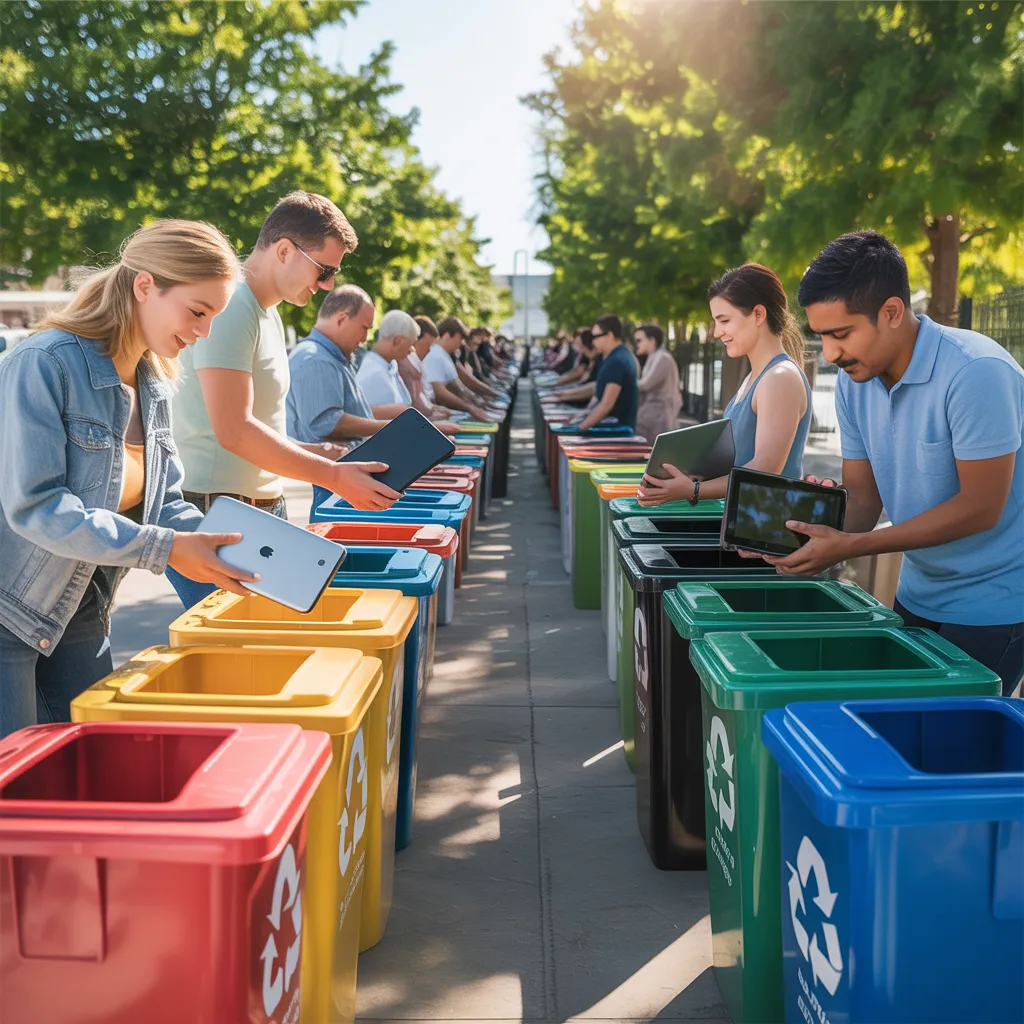
Participating in collection events represents a responsible approach to advancing e-waste recycling efforts. These events, commonly hosted by local governments or environmental organizations, create practical opportunities for individuals to get rid of unwanted electronics responsibly. By attending these events, participants assist in redirecting hazardous materials from landfills and guarantee that valuable resources are recovered and reused.
Furthermore, these events increase awareness about the critical role of e-waste recycling in the community. These events cultivate a culture of sustainability and encourage others to reflect on the ecological consequences of their electronic waste. Furthermore, a variety of collection events deliver educational content, guiding attendees through proper disposal techniques and how beneficial e-waste recycling can be. Overall, involvement in these events makes a substantial contribution to broader sustainability initiatives.
Questions We Often Receive
What Kinds of Electronics Can Be Recycled?
Numerous types of electronics can be recycled, including laptops, smartphones, tablets, printers, televisions, and various household appliances. Effective recycling confirms precious resources are retrieved, reducing environmental impact and promoting sustainability in technology usage.
Can E-Waste Recycling Be Done Safely for the Environment?
Electronic waste recycling is typically safe for the environment when conducted properly. It aids in preventing harmful materials from polluting soil and water, while additionally reclaiming valuable resources, thereby promoting sustainable practices and minimizing environmental impact.
How Is Data Removed From Recycled Devices?
Data is erased from repurposed devices through techniques such as physical destruction of storage components, factory resets, or data-wiping software. These methods ensure private information is permanently inaccessible, protecting user privacy during e-waste recycling.
Is It Possible to Recycle Damaged Electronics?
Indeed, broken electronics qualify for recycling. Many facilities process damaged devices, providing responsible disposal of toxic substances. Disposing of these devices responsibly not only decreases the burden on landfills but also retrieves precious materials for reuse in new products.
What Occurs with E-Waste Following Collection?
Once collected, e-waste goes through dismantling and sorting, where precious materials are separated. Remaining components are processed for recycling or safe disposal, ensuring hazardous substances are managed properly while extracting metals, plastics, and various recyclable resources.